Mandala Floral Symbol: A Designer’s Real-World Embroidery Review
First Impressions: Calm, Cohesive, and Craft-Ready
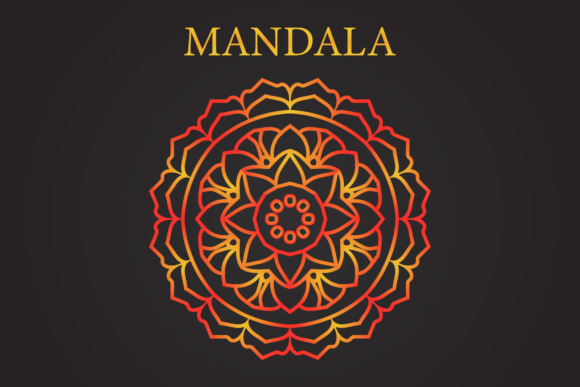
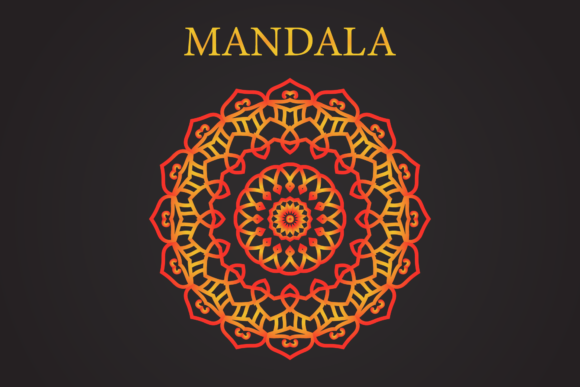
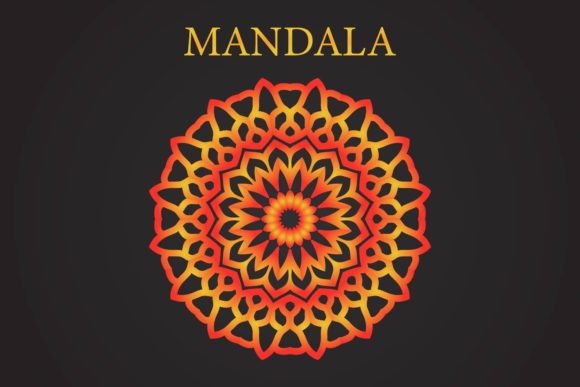
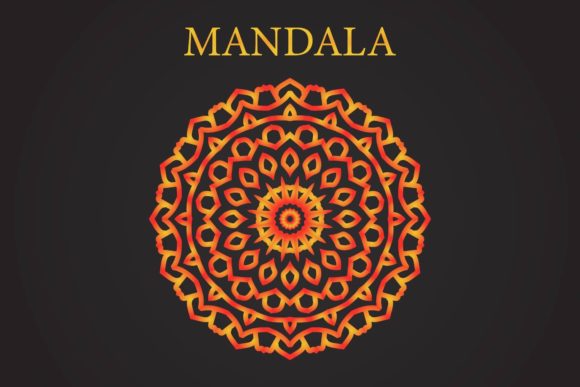
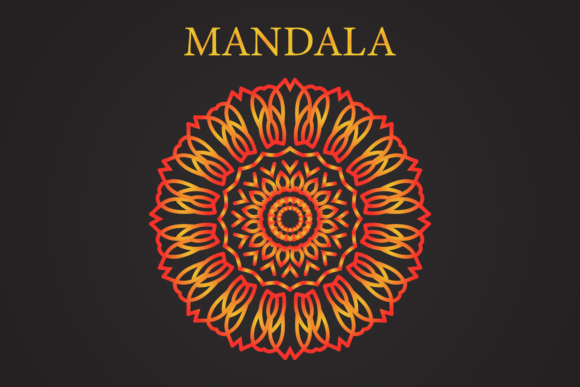
When I opened Mandala Floral Symbol, what struck me wasn’t just the symmetry—it was how quietly confident it feels. This isn’t a fussy, over-layered mandala; it’s balanced, with floral motifs breathing naturally within the circular framework. The linework is clean but not sterile—there’s gentle variation in stroke weight that suggests movement, like petals unfurling. As a designer who regularly translates digital graphics into stitched reality, I immediately saw its potential on a linen tea towel, a cotton baby onesie, or even as an embroidered patch for a denim jacket. It reads as both mindful and handmade—not trendy, but timeless.
Where It Shines: Real Projects, Real Customers
I tested Mandala Floral Symbol as the centerpiece for a custom embroidered tote bag (natural canvas, medium-weight). Stitched at 4.5" diameter with soft pastel thread on light fabric, it held clarity without stiffness. The outer ring of petals translated beautifully in satin stitch, while the inner floral core worked well with subtle fill stitch gradation. Customers responded strongly—not just to the look, but to the *feeling*: “peaceful,” “thoughtful,” “like something made with care.” That matters. When you’re selling handmade products—whether on Etsy, at a craft fair, or through your own small shop—the design must support your brand voice, not compete with it. Mandala Floral Symbol does that effortlessly.
It also performed well on a lightweight sweatshirt (cotton-poly blend), though I used tear-away + cut-away stabilizer combo to prevent puckering around the denser center. For baby embroidery—think onesies or burp cloths—I’d recommend keeping it under 3.5" and simplifying thread choices (e.g., matte cotton instead of high-sheen rayon) for comfort. On holiday embroidery, like a linen pillow cover for autumn gifting, it read warmly against rust or sage backgrounds—no color correction needed.
Where to Pause—and Why
This isn’t a one-size-fits-all embroidery file. Its elegance comes with quiet constraints. On stretchy fabric—say, a fitted cap or ribbed knit tee—the outer loops and fine petal tips can distort if hooping isn’t precise or stabilizer isn’t layered thoughtfully. I wouldn’t push it below 3" without verifying stitch density in your embroidery software first; tiny details (like the inner dot cluster) risk becoming indistinct or overly dense. And on dark fabric? The JPG and PNG previews are helpful, but always test in black-and-white mockups—some subtlety in line weight disappears when reversed.
For curved surfaces (caps, beanies), avoid placing the full circle near seams or crowns unless you’ve pre-tested hoop rotation and tension. Likewise, on textured fabrics like terry cloth or bouclé, simplify thread count where possible—Mandala Floral Symbol’s strength is in its harmony, not its busyness. Over-stitching risks muddying the balance.
Design Assets That Earn Their Place
What makes Mandala Floral Symbol more than just another pattern? It’s the file versatility. Having AI, EPS, and SVG means I can resize cleanly for applique designs or convert outlines for laser-cut stencils. The JPG and PNG let me drop it instantly into printable mockups—critical when building Etsy listings or boutique pitch decks. As a Graphics asset, it bridges digital and physical workflows seamlessly. But here’s the quiet truth: none of that matters if the stitch execution falls flat. So before I commit to client work or batch production, I always run three checks: (1) Does the vector scale hold crisp corners at my target hoop size? (2) Does the fill stitch density feel breathable—not spongy—on my test fabric? (3) Does it still read clearly when viewed from 6 feet away, like on a shelf or wall display?
Practical Notes Every Embroidery Designer Should Keep Handy
- Always test on scrap fabric first—especially with blends or low-thread-count cottons. Thread pull and fabric shift vary wildly.
- Review stitch density in your embroidery software. Dense centers can cause heat buildup on long runs; adjust underlay or reduce speed if needed.
- Confirm hoop size compatibility. The 1920px × 1280px canvas gives flexibility, but your machine’s max hoop limits dictate real-world scaling.
- Inspect small details at 200% zoom—petal tips, connecting lines, and inner geometry should remain distinct, not merge or pixelate.
- Test thread color contrast on both light and dark fabric swatches. What reads softly on ivory may vanish on charcoal.
- Use proper stabilizer: medium cut-away for knits, tear-away for stable wovens, and fusible + tear-away for lightweight linens.
- Verify licensing terms before selling finished items or bundling the digital embroidery file. Not all Patterns allow commercial redistribution—even if they’re marketed to craft businesses.
Final Thought: It’s Not Just a Design—It’s a Handmade Promise
When a customer buys a personalized gift—a monogrammed apron, a nursery wall hanging, a custom embroidered sweatshirt—they’re not just buying thread and fabric. They’re buying intention. Mandala Floral Symbol supports that intention. It doesn’t shout. It invites. It fits naturally into slow-made, considered product lines—whether you're an Etsy seller curating seasonal collections or a boutique owner developing signature embroidery for local clients. It’s not flashy, but it’s trustworthy. And in a market flooded with disposable digital embroidery files, that kind of quiet reliability is rare. Use it well, test it thoroughly, and let its calm precision speak for your craftsmanship.